
The honest version
A torn ACL doesn't heal on its own in active people — reconstruction replaces it with a graft of your own tissue, and for the right tears, the BEAR implant helps your original ligament heal instead. The operation is the short part. The comeback is nine months of progressive rehab, and the athletes who respect that timeline are the ones who play for years after.
Your options, straight
- Reconstruction (the standard): your own patellar or hamstring tendon rebuilt into a new ACL — the proven choice for cutting and pivoting sports.
- The BEAR implant (the newer option): for specific tear patterns caught early, an implant bridges the torn ends and your ACL heals itself — preserving the original ligament and its nerve sense. We'll tell you honestly if your MRI fits.
- Non-surgical (the real option nobody markets): lower-demand knees and partial tears can do well with structured rehab. If that's your best path, you'll hear it here first. More on the timeline question →
Why athletes pick this practice
- Surgeons who are athletes — including a four-time IRONMAN finisher and a consultant to the U.S. Men's National Soccer Team. Return-to-play isn't an abstraction to them.
- Return-to-play testing — strength benchmarks and movement quality, not a calendar date. The rushed comeback is the re-torn ACL.
- Rehab one hallway away — your surgeon and your rehab team share one chart for all nine months, including pool-based early work nobody else in the area offers.
The surgeons who rebuild ACLs here
Board-certified, fellowship-trained, and in the office every week — read their story, then decide.
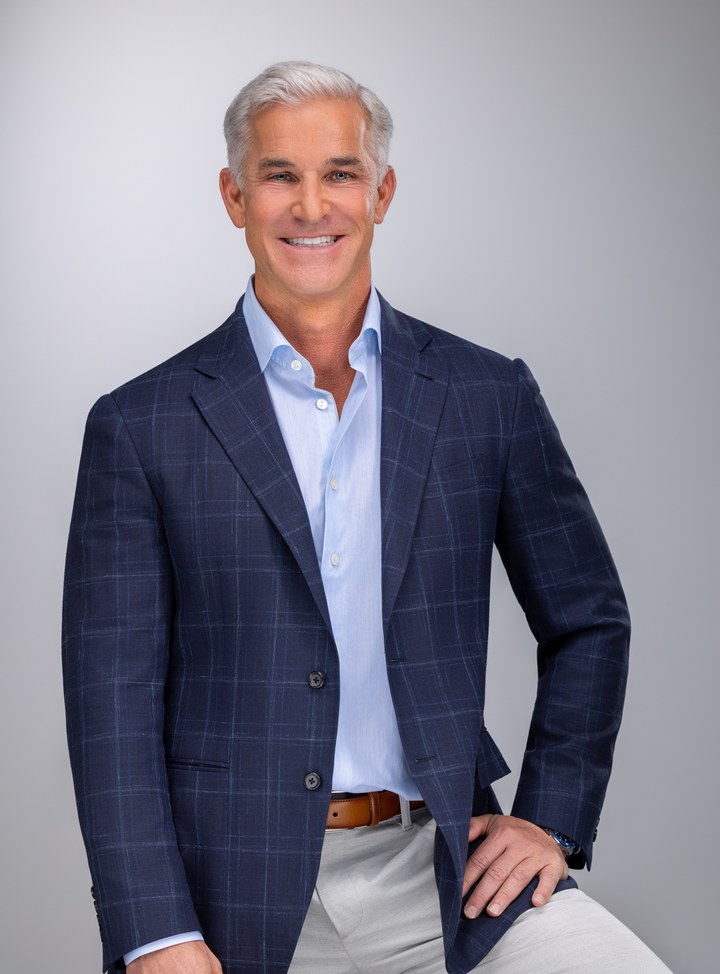 Keith Johnson, MD
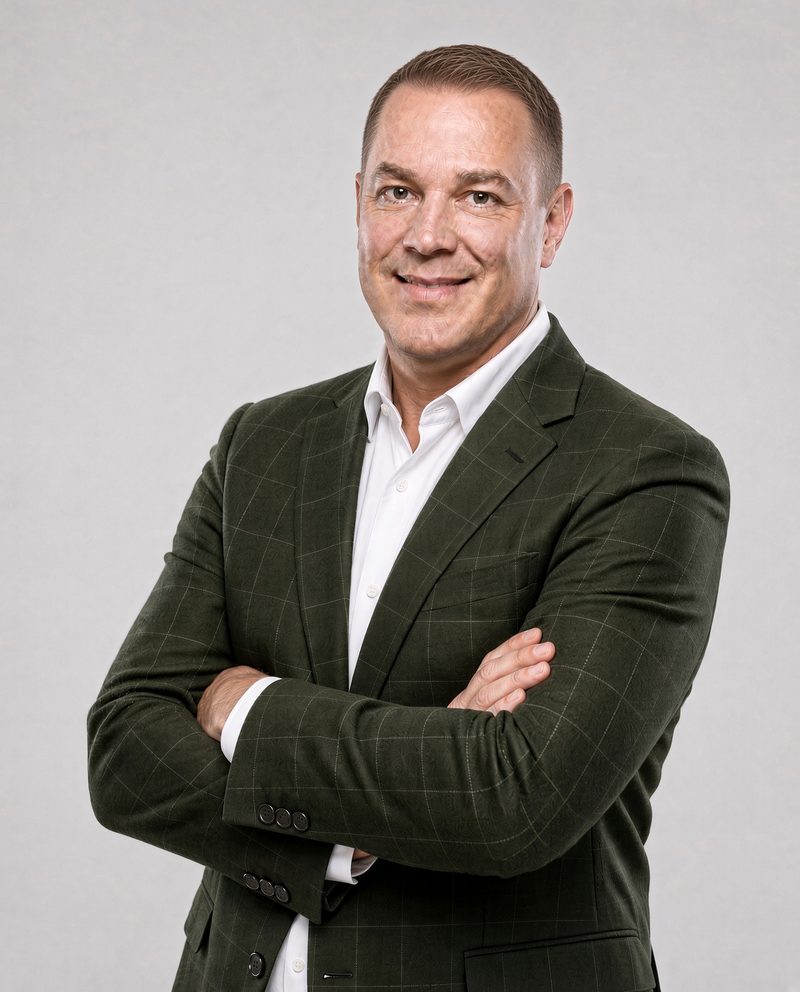 Mark Eilers, MD, MS, FAAOS
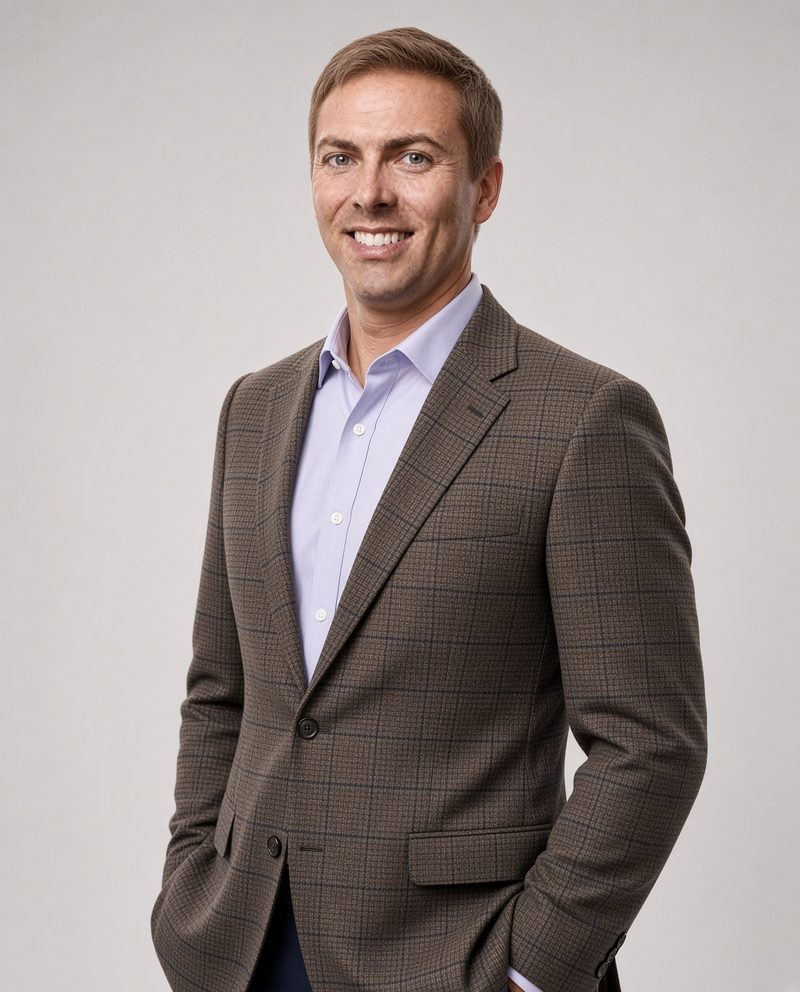 Matthew Reid, MD
Medically reviewed by Keith W.V. Johnson, MD, FAAOS · Updated September 28, 2026